Technology
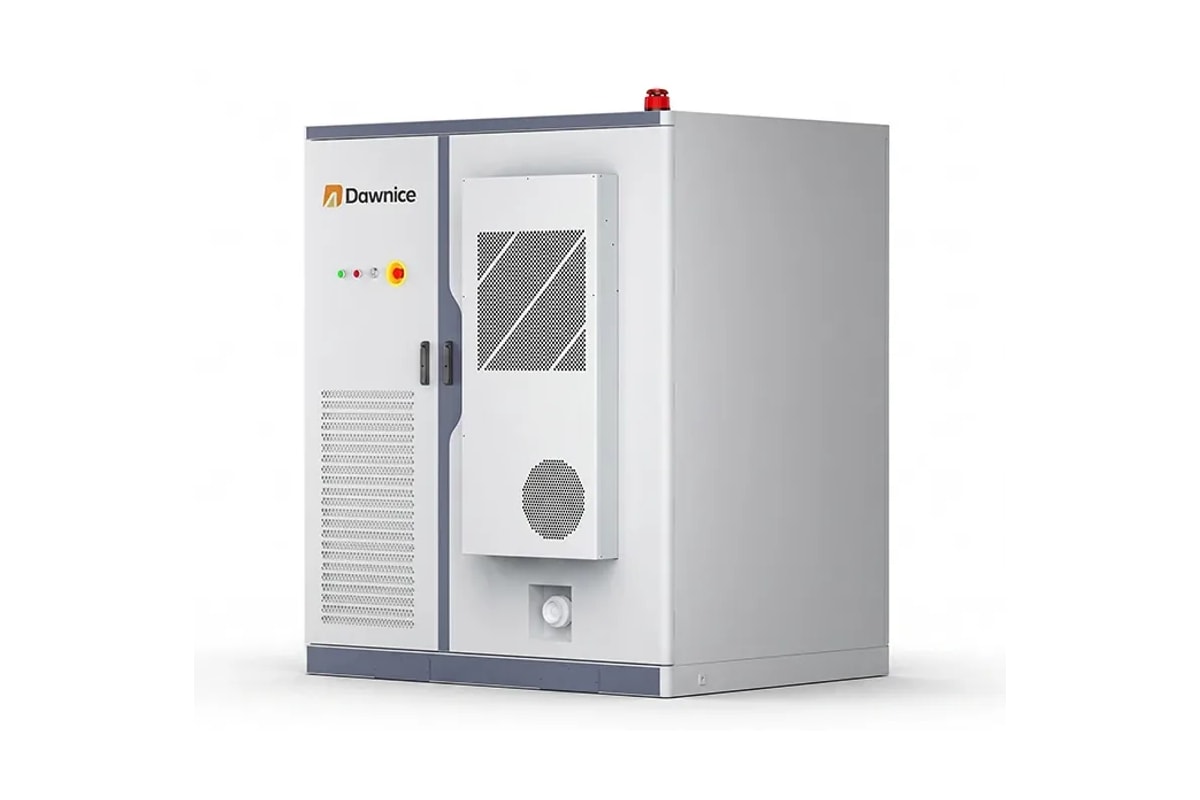
AC-Coupled vs DC-Coupled BESS: The Decision Is Your Existing Inverter
Every comparison of AC-coupled and DC-coupled storage opens with an efficiency table, and every one of those tables is correct and beside the point.
Read article
Blog
Short technical explainers covering the questions that come up before a storage project is specified: power versus energy, storage duration, coupling architecture, protection design, and platform selection.
Technology
Every comparison of AC-coupled and DC-coupled storage opens with an efficiency table, and every one of those tables is correct and beside the point.
Read article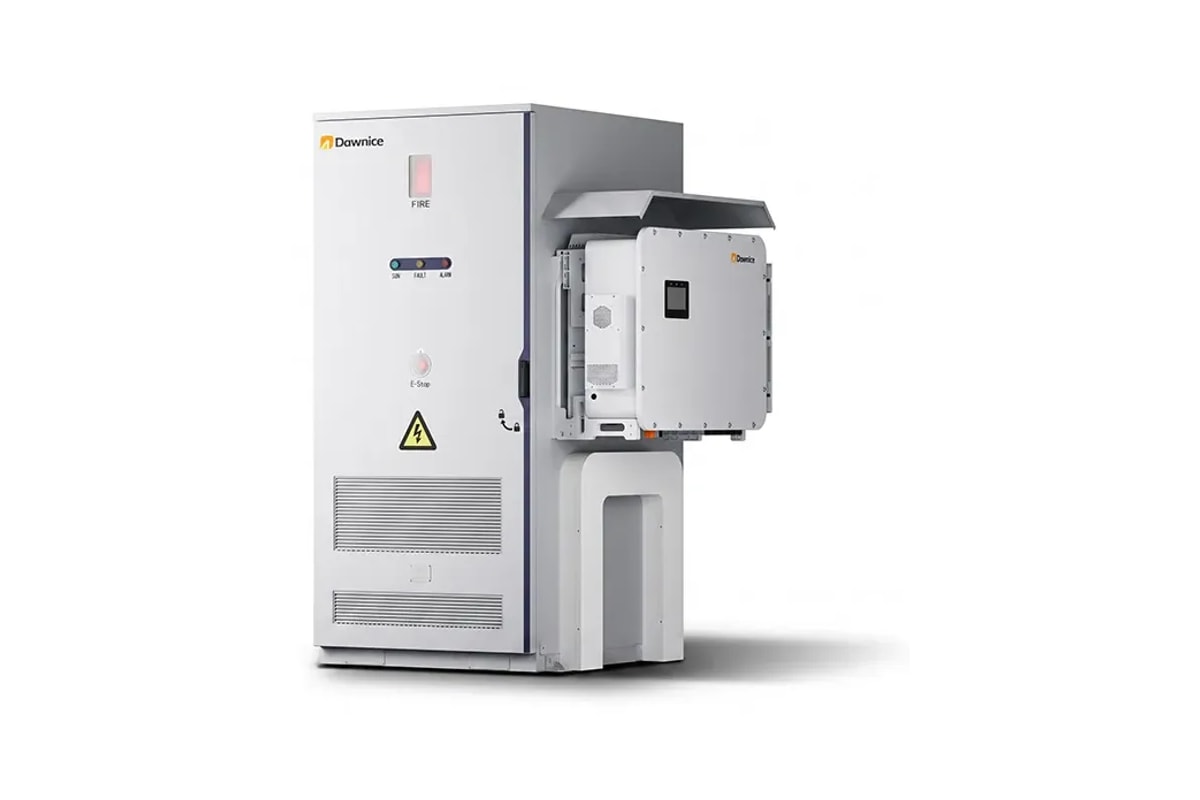
Sizing
A 120 kW charger does not add 120 kW to your energy bill. It adds 120 kW to your peak, and in most commercial tariffs the peak is what sets the charge.
Read article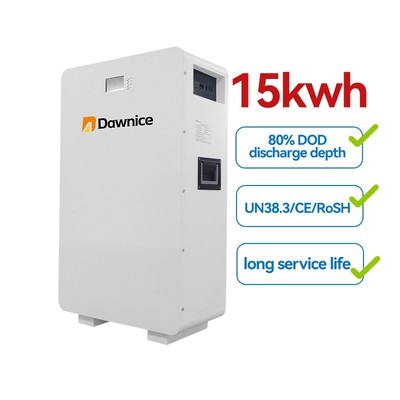
System design
Whole-home backup is a claim about one number: the coincident peak demand of the whole house, measured at the point where the backup supply takes over.
Read article
Safety
A five by five risk matrix has twenty-five cells. Sixteen of them change their rating band when one reviewer moves a single axis by one level.
Read article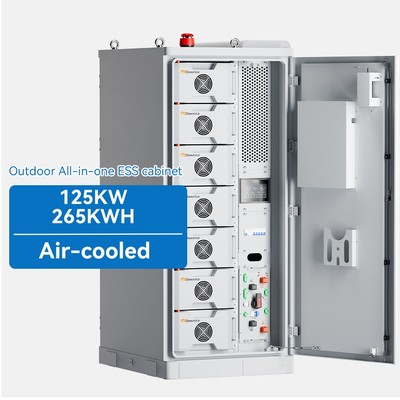
Technology
A 5 percent state-of-charge difference across a 314 Ah cell is 15.7 amp-hours. Multiply it across a string and it decides usable capacity.
Read article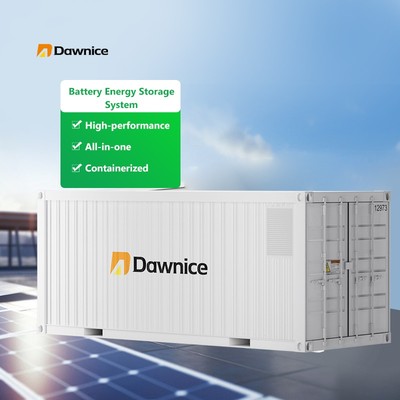
System design
A grid-tied and an off-grid C&I BESS can use similar LFP batteries, PCS hardware, and EMS platforms, but the equipment may perform very different jobs.
Read article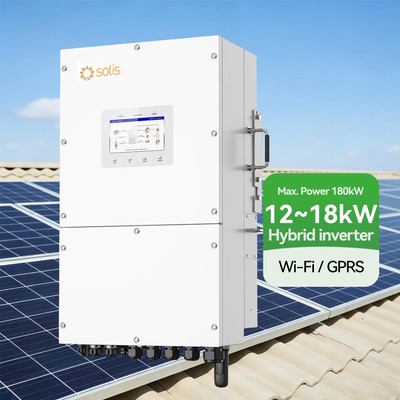
Technology
The insulation alarm clears at 14:20. It is back at 09:05 the next morning, with no load change overnight and no water on the pad.
Read article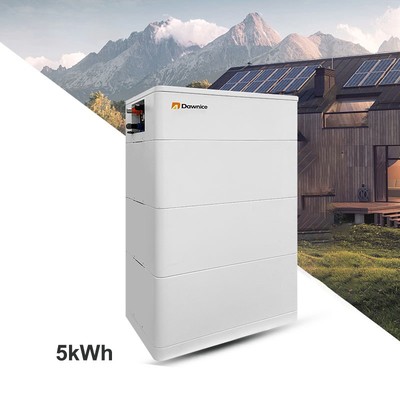
Technology
An LFP home battery can have different charging and discharging limits at the same low temperature.
Read article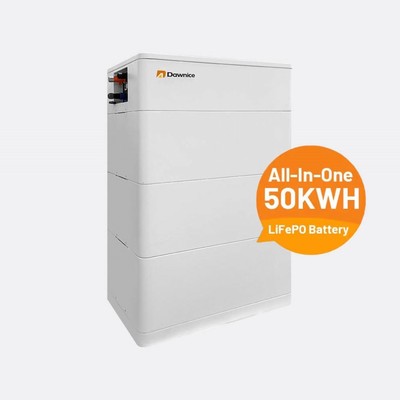
System design
An off-grid solar, battery, and generator system shares one battery bank between three sources.
Read article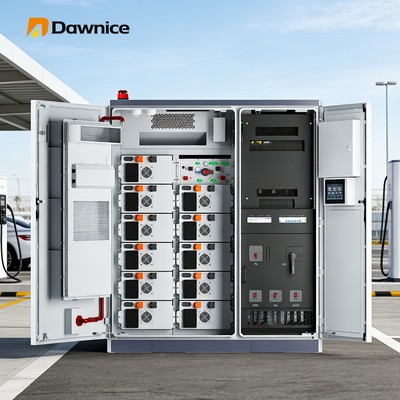
Certification
IEC 62933-5-2 addresses safety requirements for grid-integrated electrochemical energy storage systems.
Read article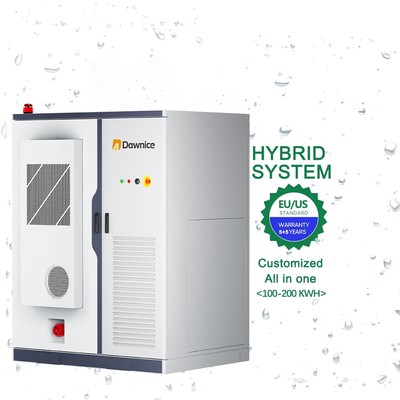
Buyer guide
Time-of-use arbitrage uses a C&I BESS to charge when electricity is relatively inexpensive and discharge when grid electricity is more expensive.
Read article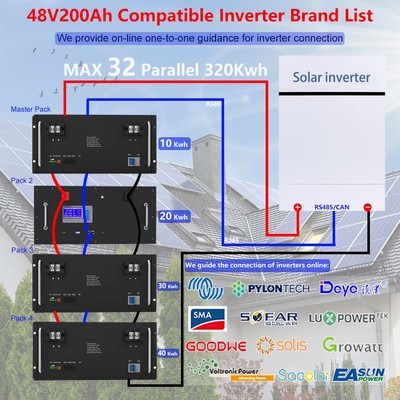
Certification
For a commercial BESS entering the EU market, CE marking is the end of a conformity process, not a standalone certificate.
Read article