
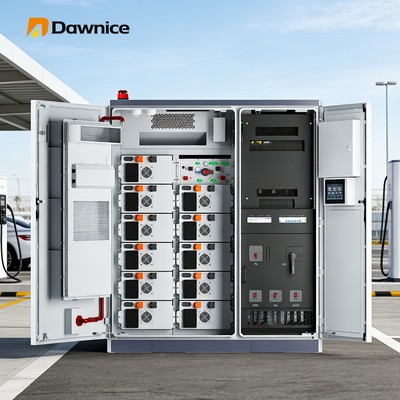
A Safe Battery Rack Does Not Automatically Make a Safe BESS
IEC 62933-5-2 addresses safety requirements for grid-integrated electrochemical energy storage systems. For a commercial BESS buyer, IEC 62933-5-2's value is system-level: battery subsystems, power conversion, thermal management, controls, protection, fire-related measures, installation conditions, and other interfaces must operate safely together. A cell or battery certificate alone does not demonstrate that the complete BESS has been evaluated at this level.
The current edition is IEC 62933-5-2:2025, titled Electrical energy storage (EES) systems – Part 5-2: Safety requirements for grid-integrated EES systems – Electrochemical-based systems. IEC states that it applies to grid-integrated electrochemical EES systems and considers safety across the system life cycle.
When I review a supplier, the first question is therefore not:
“Is your battery IEC compliant?”
I want to know what equipment and configuration the evidence actually covers.
Start by Drawing the System Boundary
Consider a 500kWh commercial cabinet.
Inside or around it may be:
battery cells and modules
BMS
DC protection
PCS
EMS/controller
HVAC or liquid cooling
fire detection and protection equipment
switchgear
sensors
communications
Each component may have its own specification and supporting evidence.
The problem is what happens when they interact.
A BMS might permit discharge.
The PCS might request high power.
Cooling may already be operating near its limit.
A temperature sensor may detect an abnormal condition.
The system then needs coordinated protection, not five components responding independently.
IEC describes Part 5-2 as addressing hazards that can arise from interactions between subsystems within an electrochemical EES. That system-level focus is why battery-cell safety evidence alone is not enough for the complete system review.
Start With Hazards, Not a Certificate List
A useful supplier review asks:
What can fail, what detects it, and what happens next?
An electrochemical BESS safety review should cover electrical, thermal, mechanical, and environmental conditions plus hazards from battery failure and subsystem interaction.
For a liquid-cooled C&I cabinet, for example, I would want to understand what happens if:
cell temperature rises abnormally
coolant flow is lost
BMS communication disappears
PCS commands exceed the current battery limit
insulation monitoring detects a fault
smoke or another fire-related signal is detected
The important evidence is not simply that an alarm exists.
It is the response chain:
Detect → Alarm → Limit → Isolate → Place the system in its defined safe condition
The exact sequence depends on the BESS design.
BMS, PCS, and Thermal Control Cannot Be Reviewed Separately
Suppose the EMS requests:
125kW discharge
The BMS currently permits only:
80kW equivalent battery output
because of temperature or another operating limit.
What should happen?
The PCS must operate inside the battery's permitted envelope.
Now assume communication between the BMS and PCS is lost.
Does the PCS continue using the last valid limit?
For how long?
Does it ramp down?
Does it stop?
What alarm reaches the controller?
Those are integration questions.
For a Ruibit/Dawnice commercial system, I would want the approved BMS–PCS communication logic, protection hierarchy, timeout behavior, and relevant FAT results for the supplied configuration—not merely datasheets saying both devices support CAN or Modbus.
Thermal Management Is Part of the Safety Architecture
Cooling is often presented as a performance feature:
Air cooling or liquid cooling?
From a system-safety perspective, the more useful question is:
What happens when thermal management cannot maintain the intended operating conditions?
The BMS may monitor cell temperatures.
The cooling controller may monitor coolant temperature, pump status, fan operation, or other variables.
The PCS may need to derate.
The EMS may need to stop a dispatch command.
These functions need a defined relationship.
A high-temperature dashboard alarm is not enough if the PCS continues unrestricted discharge during the event.
The buyer should ask for the logic behind:
warning thresholds
derating
trip conditions
shutdown
restart conditions
without assuming that one set of values applies universally to every BESS.
Fire Protection Is More Than the Suppression Device
A procurement sheet may contain one row:
Fire protection: aerosol
or:
Fire protection: water mist
That tells me very little about the complete safety strategy.
I would want to know how the system handles:
early detection
electrical isolation
alarm transmission
propagation risk
suppression
ventilation or gas management where applicable
emergency shutdown
post-event access
The evidence required depends on the design and applicable project requirements.
IEC 62933-5-2 should also not be confused with every other BESS fire standard or test method. A supplier may need multiple pieces of evidence for different markets and project requirements; one IEC reference should not be presented as replacing all other applicable safety, installation, grid, or fire requirements.
Installation Conditions Belong in the Review
A BESS is evaluated for a defined use environment.
Then somebody installs it.
Suppose the documentation assumes:
specified ambient conditions
required service clearances
defined ventilation
approved cable entry
particular enclosure protection
but the project places the cabinet against a wall in a hot mechanical yard with restricted airflow.
The product has not changed.
Its operating environment has.
So before purchase, I would compare the supplier's installation conditions against the actual project:
| Buyer Check | Evidence to Request |
|---|---|
| Exact BESS configuration | Model/BOM/system architecture |
| Intended environment | Temperature, altitude, enclosure conditions |
| Battery protection | BMS limits and protective functions |
| PCS integration | Command and limit hierarchy |
| Thermal system | Control, alarms, failure response |
| Fire-related functions | Detection, isolation and protection architecture |
| Communication failure | Timeout and safe-state logic |
| Installation | Clearance and environmental requirements |
| Verification | Relevant test/FAT documentation |
This table is more useful to me than a line saying:
IEC 62933 compliant.
What Does “IEC 62933-5-2 Compliant” Actually Cover?
This is where buyers should slow down.
Ask for:
the exact standard designation and edition
the product/model covered
the configuration covered
the issuing or testing organization, where third-party evidence is supplied
the report or certificate scope
referenced test evidence
limitations or conditions
Then compare those documents with the purchase order.
If the evidence covers one battery configuration but the quoted project uses a different PCS, cooling system, enclosure, or control architecture, ask whether the change remains within the assessed configuration.
Do not infer it.
This follows the same evidence rule we use elsewhere in C&I procurement:
A document is only useful when its scope matches the equipment being purchased.
IEC 62933-5-2 Is One Layer, Not the Entire Compliance File
Commercial BESS projects can also involve other battery, electrical, grid, transport, fire, installation, and market-specific requirements.
IEC 62933 itself is a series. IEC 62933-5-1:2024 provides general safety considerations for grid-integrated EES systems, while Part 5-2 addresses electrochemical-based systems specifically.
For lithium-ion systems, IEC has also published IEC 62933-5-4:2026, covering safety test methods and procedures for grid-integrated lithium-ion electrochemical EES systems.
The project team still needs to identify which standards, regulations, certifications, and installation requirements apply in the destination market.
What I Would Put in the RFQ
Instead of writing:
BESS shall comply with IEC 62933.
I would make the requirement more specific.
Ask the supplier to identify:
applicable IEC 62933 part and edition
exact product/configuration covered
supporting conformity or evaluation evidence
system-level safety architecture
BMS–PCS protection hierarchy
thermal-management failure response
communication-loss behavior
fire detection/protection architecture
installation limitations
relevant FAT verification
For a Ruibit/Dawnice proposal, those items should be tied to the actual cabinet or container being quoted.
That gives engineering, procurement, and commissioning teams something they can verify later.
IEC 62933-5-2 is useful because it pushes the safety review beyond the battery rack. For a commercial BESS buyer, the real test is whether the complete electrochemical storage system—and the interactions between its subsystems—has been evaluated for the configuration that will actually arrive on site.
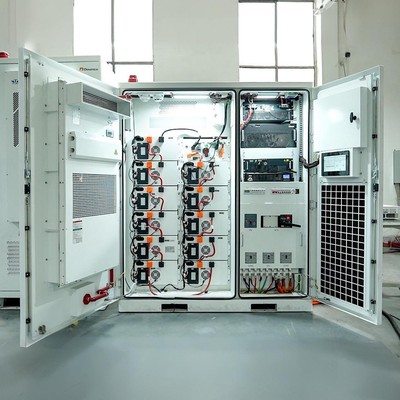
FAQs
1. What does IEC 62933-5-2 cover for commercial BESS?
IEC 62933-5-2 addresses system-level safety requirements for grid-integrated electrochemical energy storage systems, including risks created by interactions between BESS subsystems.
2. Is battery-level safety evidence enough for IEC 62933-5-2 verification?
No. Buyers should also review how the battery, BMS, PCS, thermal management, controls, protection, and other subsystems operate together.
3. What should buyers verify when a supplier claims IEC 62933-5-2 compliance?
Check the standard edition, exact BESS model and configuration, assessment scope, supporting evidence, limitations, and whether the documentation matches the equipment being purchased.
4. Why is BMS–PCS integration important for BESS safety?
The PCS must respect battery operating limits communicated by the BMS. Buyers should verify protection hierarchy, communication-loss behavior, derating, shutdown, and restart logic.
5. Does IEC 62933-5-2 replace other BESS safety requirements?
No. Projects may still require additional battery, electrical, fire, grid, transport, installation, and market-specific standards or regulations.